
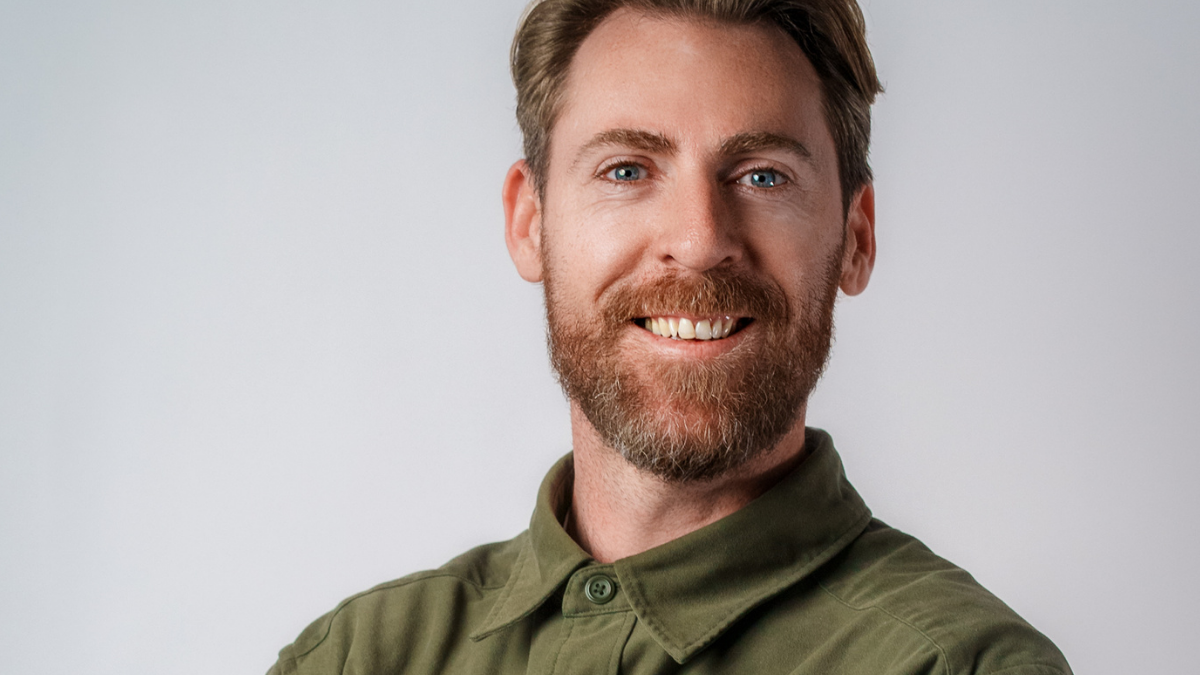
At just 39 years old, he was a young father to six-year-old twins and the main breadwinner for his household.
Aden’s initial recovery in hospital focused on regaining his physical independence. While this support was critical, he felt the focus of his rehabilitation did not connect with his actual needs.
“I still didn’t feel recovered despite being told I was and what recovery did look like," he said.
He found the experience isolating. Aden struggled to make sense of what had happened to him and what recovery should look like. Determined to understand more, he began searching for connections with other young stroke survivors.
He wanted answers about what had happened to him, how recovery would look over time, and how he could reduce the risk of it happening again.
.png)
A nurse eventually connected him to the Stroke Foundation, and it was through this connection Aden was exposed to the experiences of others like him. He realised that the needs of younger stroke survivors can differ significantly from those of what is often considered a ‘traditional’ stroke survivor, who is typically older.
"Young Stroke Service should be a national objective for the federal government. I think it's a basic healthcare service. The existing post-care for stroke is not fit for a complete recovery for young stroke survivors."
For many young survivors like Aden, life responsibilities don’t pause after a stroke—they continue, often with added complexity.
“You may be the household breadwinner, or you may be a carer for children...that has a huge impact on a functioning household.”
Physically, Aden made progress within nine months. As a surfer, he was even able to work with an OT to get himself back in the water. But the mental load of recovery remained considerable.
“For young stroke survivors, the physical recovery is half the journey, the other half is mental”
Aden experienced ongoing mental health challenges as he worked through his recovery. Like many young survivors, it took time for him to redefine his goals and rebuild his sense of direction.
His stroke also affected his executive function, making everyday tasks and decision-making more difficult.
These challenges highlight a critical gap in care—one that extends beyond physical rehabilitation. Aden emphasizes the importance of clear, accessible pathways to mental health support for young stroke survivors.
"Having good routes to mental health care, knowing that it's part of the picture and there is a road to recovery."
"The impact of a young stroke survivor on the wider community is significant and having them back as a functioning member of society should be a top priority".


